

Understanding Paranormal Investigator Roles: What They Really Do
Paranormal investigation is a field that sparks curiosity and skepticism alike. Many people wonder what paranormal investigators actually do when they step into a supposedly haunted location. The truth is, their work involves a mix of observation, data collection, and analysis, all aimed at uncovering evidence of unexplained phenomena. In this post, I’ll walk you through the typical roles and responsibilities of paranormal investigators, the skills they need, and how they approach their investigations.
Exploring Paranormal Investigator Roles
Paranormal investigators often wear many hats during an investigation. Their primary goal is to gather evidence that supports or disproves claims of paranormal activity. This can include anything from strange noises and unexplained movements to temperature changes and electromagnetic anomalies.
Here’s a breakdown of common roles they take on:
Researcher: Before visiting a site, investigators research its history. This helps them understand the context and identify potential sources of paranormal activity.
Equipment Operator: They use various tools like EMF meters, digital voice recorders, infrared cameras, and motion sensors to detect unusual activity.
Observer: During investigations, they carefully watch and listen for anything out of the ordinary.
Data Analyst: After collecting data, they review recordings and sensor readings to find patterns or anomalies.
Communicator: Investigators often share their findings with clients or the public, explaining what the evidence might mean.
Each role requires attention to detail and a methodical approach to avoid jumping to conclusions.

Tools and Techniques Used in Paranormal Investigations
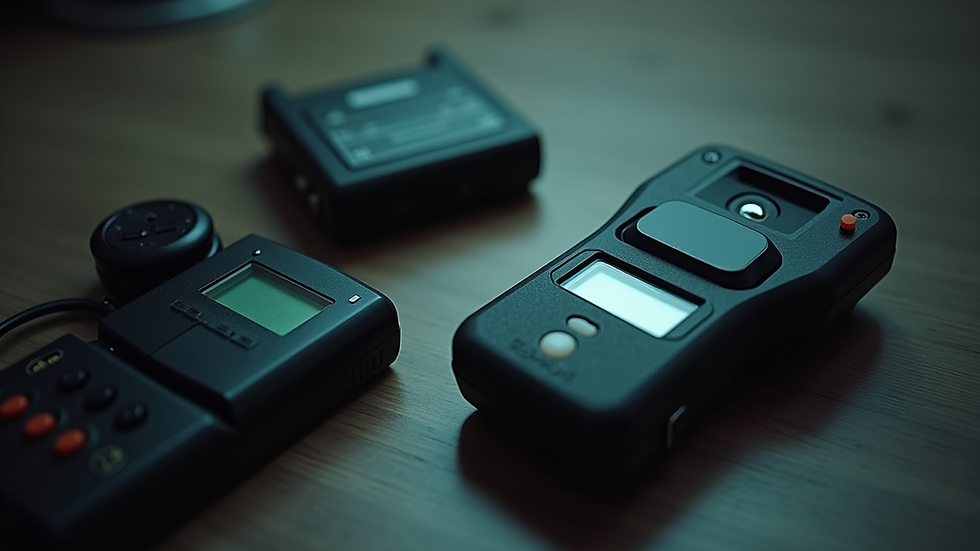
Paranormal investigators rely on a variety of tools to detect and document phenomena that are not visible to the naked eye. These tools help them collect objective data during their investigations.
Some of the most common equipment includes:
EMF Meters: These devices measure electromagnetic fields, which some believe are linked to paranormal activity.
Digital Voice Recorders: Used to capture Electronic Voice Phenomena (EVP), which are unexplained sounds or voices.
Infrared and Night Vision Cameras: These cameras allow investigators to see in the dark and capture visual evidence.
Motion Sensors: Detect movement in areas where no one should be present.
Thermometers: Sudden drops in temperature can sometimes indicate paranormal presence.
Investigators combine these tools with careful observation and note-taking. They often conduct controlled experiments to rule out natural causes for any unusual findings.
What skills do you need to be a paranormal investigator?
Being a paranormal investigator requires a unique set of skills that blend scientific thinking with open-mindedness. Here are some essential skills:
Critical Thinking: The ability to analyze evidence objectively and avoid jumping to conclusions.
Attention to Detail: Small clues can be important, so noticing subtle changes is crucial.
Technical Knowledge: Understanding how to operate and interpret data from various investigative tools.
Communication: Explaining findings clearly to clients or team members is important.
Patience and Persistence: Investigations can take time, and results are not always immediate.
Research Skills: Knowing how to dig into the history and background of a location helps provide context.
These skills help investigators maintain credibility and provide useful insights, whether for individuals or businesses seeking answers.
How Paranormal Investigators Conduct Their Work
When a paranormal investigation begins, the team usually follows a structured process:
Initial Consultation: They discuss the client’s concerns and gather background information.
Preliminary Research: Investigators look into the history of the location, previous reports, and any relevant documentation.
Site Visit and Setup: They arrive at the location, set up equipment, and establish a baseline of normal activity.
Active Investigation: The team monitors the site, records data, and observes for any unusual events.
Data Review: After the investigation, they analyze recordings, sensor data, and notes.
Reporting: Investigators compile their findings into a report, highlighting any evidence and possible explanations.
Throughout this process, they remain cautious and avoid making definitive claims without solid evidence. This approach helps maintain professionalism and trust.
Why Paranormal Investigations Matter
Paranormal investigations can provide peace of mind for those experiencing unexplained events. Whether it’s a homeowner worried about strange noises or a business concerned about unusual occurrences, investigators offer a systematic way to explore these issues.
By combining research, technology, and careful observation, paranormal investigators help clients:
Understand what might be causing the phenomena.
Rule out natural or environmental explanations.
Decide on next steps based on clear information.
If you ever wonder what do paranormal investigators do, this overview should give you a solid idea of their roles and methods.
Partnering with Professionals for Reliable Results
For individuals and businesses seeking answers, working with experienced investigators is key. Professionals bring the right tools, skills, and approach to deliver clear, actionable results. This helps clients make informed decisions and achieve peace of mind.
If you’re facing unexplained events or just want to understand more about paranormal investigations, consider reaching out to trusted experts who prioritize thoroughness and discretion.
This insight into paranormal investigator roles shows that their work is grounded in careful study and evidence collection. It’s not about chasing ghosts but about uncovering facts and providing clarity in uncertain situations.


Comments